July
The hottest month of the year brings annual plants bursting into flower turning your garden into a riot
of colour. You may be astonished at just how enormous some of your perennials
and shrubs have grown - make a note now so that you can move any overcrowded
plants in the autumn or next spring. Unfortunately, all sorts of pests and
diseases are likely to flourish in the warm weather, so make sure you keep
plants well fed and watered. A plant under stress is more liable to succumb to
infection. If you find your borders flagging in the sun, water them very well
before mulching with bark or gravel from the J Arthur Bower range.
Essential Jobs
Prune shrubs that have flowered and feed them
Take cuttings from many shrubs and alpines
Water containers every day in hot weather
Water borders if necessary, then mulch
Clear excess pondweed
Spray roses and feed
Dead-head perennials and annuals unless you want to save seed
Plant leeks and winter brassicas
Prune trained fruit trees
Last Chance To…Sow biennials
Flower Garden
Carry on pruning shrubs that flowered in spring and early summer, then feed them
with one of the Westland all-purpose plant foods. It's worth watering
well and mulching them even at this stage in the year.
Cut down the stems of bearded iris now that the blooms have faded. If the clumps
are very congested dig them up and divide, cutting the rhizomes at a joint. Trim
back the leaves to 15 cm (6 inches). Replant in ordinary garden soil with a bit
of Westland grit added, and water in. Continue to water until
established.
Pinch out chrysanthemum shoot tips to encourage them to branch and produce more
flowering stems.
Remove seeds heads of annuals to encourage the plant to produce more flowers
If your dahlias aren't growing very strongly, give them a boost with some J
Arthur Bower's Liquid Growmore every 10-14 days.
Some early-flowering perennials, particularly lupins and delphiniums, can be
encouraged to produce a second, smaller, flush of flowers if you cut the stems
right down and apply a liquid feed.
Take cuttings of non-flowering shoots from many shrubs, putting them round the
edge of small pots of half and half peat and sharp sand or peat and perlite.
Water them in and keep warm but out of direct sun. Cuttings can also be taken of
pinks.
This is the best month to trim hawthorn hedges. If you cut them earlier they
need another trim, but if you leave it any later the growth will be very tough
and hard to cut.
Roses
Continue to trim back and feed roses that have finished their first flush of
blooms. Spray as necessary against pests and diseases
Lawn
Hopefully, all that hard work you did in the spring will have paid off, and your
lawn will be looking green and velvety. If not, there's still time to use any of
the wide range of Westland weedkillers, mosskillers and feeds. You
should continue to feeds your lawn, and try to mow it twice a week if you can,
though once a week will be OK. Don't add the clippings to the compost heap for
the first few weeks after applying weedkillers.
In the Greenhouse
Never let your grow-in bags go short of water as you may find it hard to re-wet
them thoroughly.Plants in pots may need watering every day, and should be fed once a fortnight
with a liquid feed.
If whitefly and red spider mite are proving a problem, it is now possible to
obtain biological controls, which can be used this month.
Tomatoes should start fruiting this month. Keep the plants well supported and
remove side shoots regularly. Use Westland Liquid Tomato Feed every week
to ensure a bumper crop.
 Containers
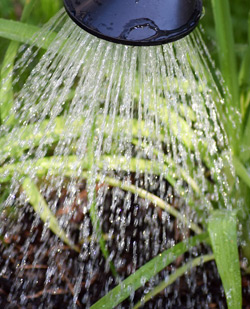
Water containers every day in hot weather. Hanging baskets can be watered twice
a day if you've got them time and energy. Feed all containers once a week with J
Arthur Bower's Liquid Hanging Basket & Container Liquid Feed
Vegetable Garden
Carry on sowing salad crops outside. French beans can also be sown at the
beginning of the month for a late crop.Onions will need a lot of water at this time of year or the yield
will be greatly reduced. Weeds will compete for every drop of water, so keep on hoeing
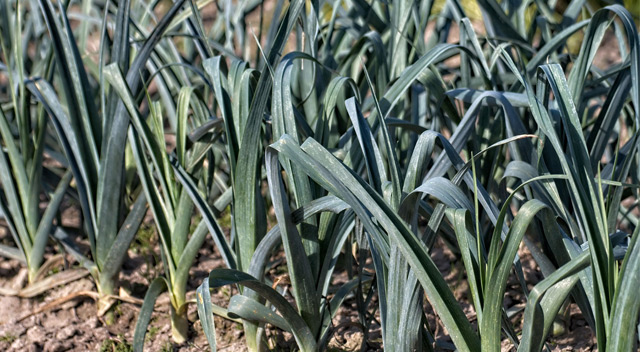
around your onions to keep weeds at bay. Complete planting out young leeks
Herb Garden
Continue to harvest herbs for drying or freezing. The first week of the month is usually the best time to cut lavender for drying.
Cut the hole stalk as soon as the flowers show colour, but before they are fully
open. Tie them in small bundles and hang in a greenhouse or warm shed or porch
to dry. Alternatively you could lay them in trays in the airing cupboard. When
the flower buds are completely dry, rub them gently off the stalks. Use in
muslin bags or small bowls
Fruit Garden
Trained fruit trees, such as cordons, fans, dwarf pyramids and espaliers should
be trimmed of any unwanted shoots this month.
Pick blackcurrants as soon as they ripen. Growth being made now will produce
next year's crop so keep bushes watered in dry weather and give them a handful
of all-purpose plant food
Water Features
Waterlilies should be flowering now, so if you want to buy new plants, now's the
time to make your choice. Waterlilies come in all sorts of different sizes -
there are even miniature ones suitable for container pools. Make sure you get
the right size for your water feature. If aphids are a problem on waterlily
foliage try and knock them off with water spray from a hosepipe. Don't use a
greenfly killer anywhere near a pond as it will harm fish and wildlife
Thin out oxygenating plants taking care not to remove young fish, water snails
or froglets with the excess. The best way to do this is to check through the
pondweed carefully, then lay it out in bundles around the sides of the pond and
leave it overnight. This will give little creatures a chance to slither back
into the water
Alpines
If mounded or trailing plants seem not to be flourishing after flowering give
them a top dressing of Westland peat and Silvaperl silver sand mixed
half and half with a dusting of Fish, Blood and Bone. Work this mixture into the
plant then water well and dress with Silvaperl coarse grit.


